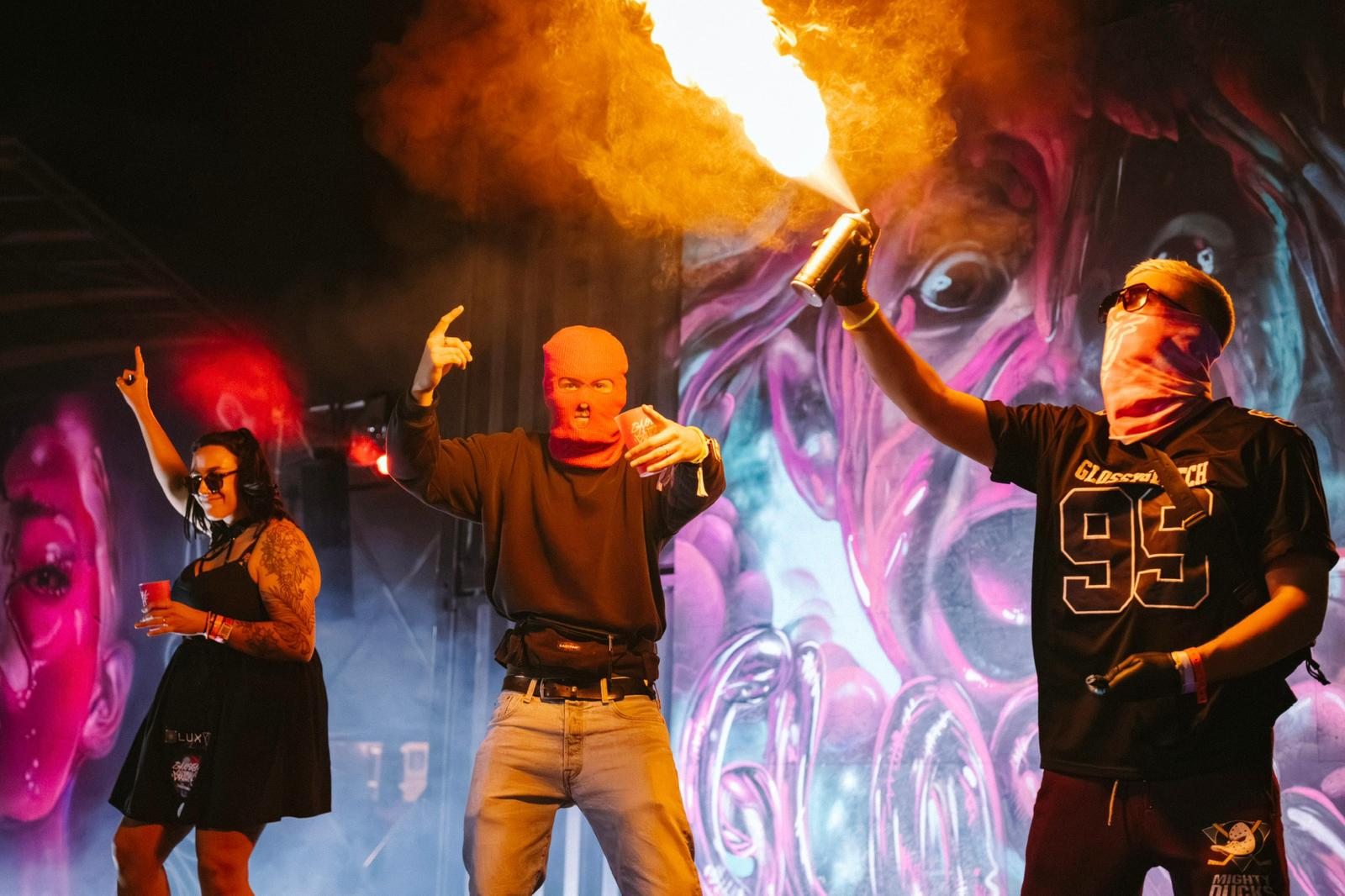
WE CREATE FOR SOME OF THE BIGGEST IN THE WORLD


The Complete Beginner’s Guide
Street art is everywhere — on city walls, buildings, public spaces, and increasingly in brand campaigns and commercial projects. Yet for many people, the term still raises questions:
What exactly is street art? How is it different from graffiti? And why are brands and cities investing in it?
This beginner’s guide explains what street art really is, where it comes from, and how it has evolved into a powerful visual and marketing tool — especially when created professionally by artists like Glossy & Glitch.
What Is Street Art?
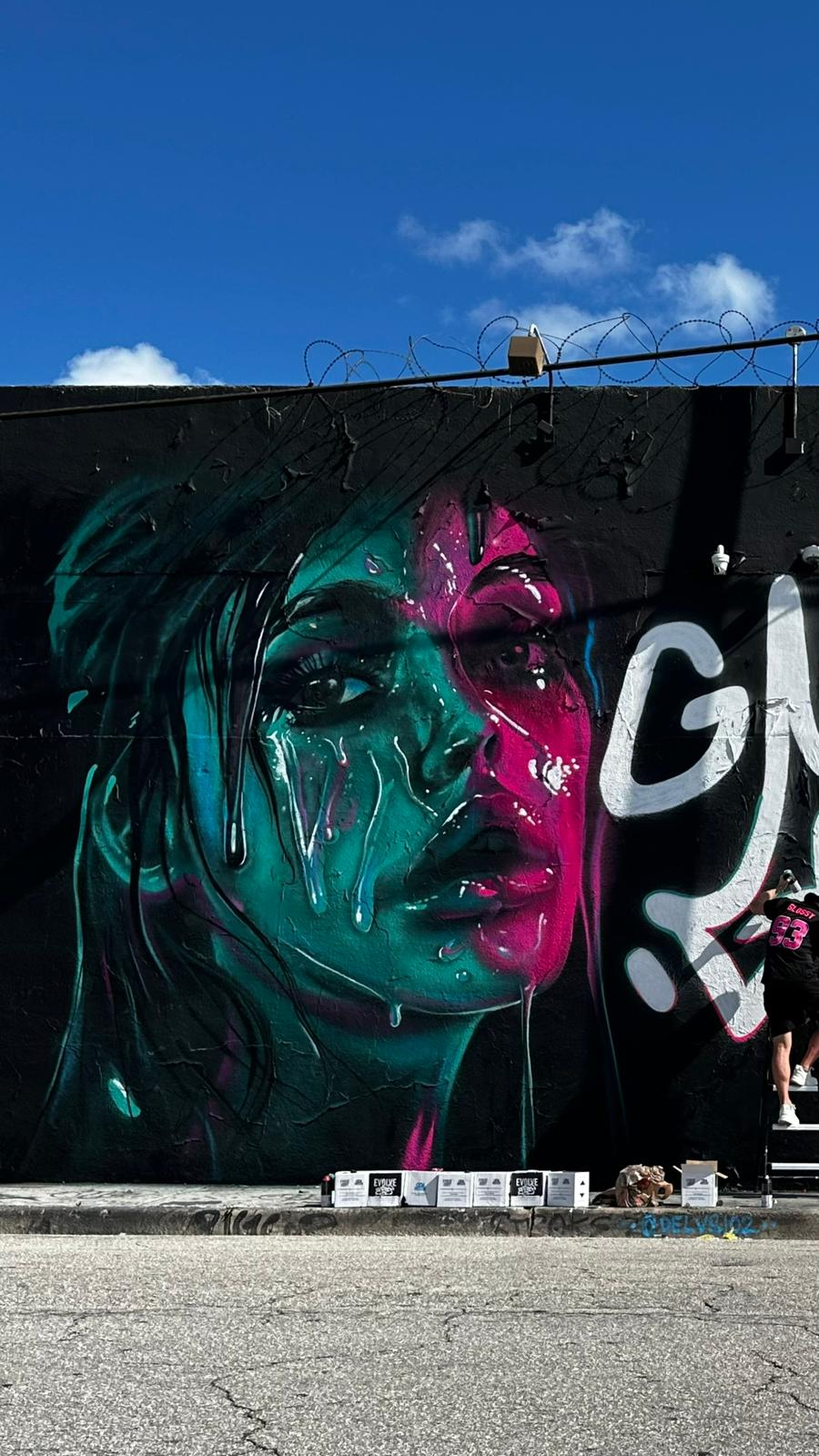
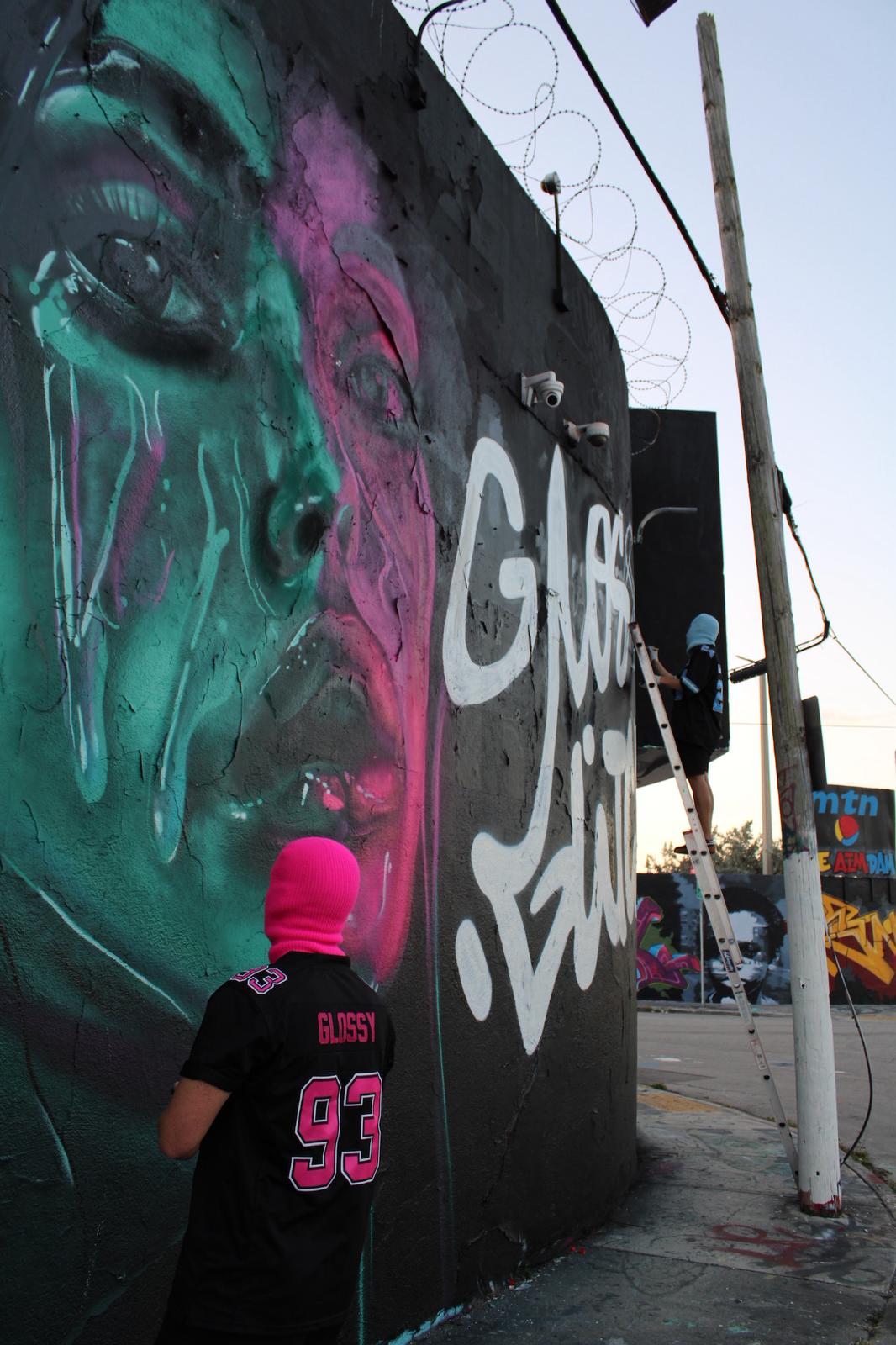
Street art is a form of visual art created in public spaces. Unlike traditional gallery art, street art is designed to be accessible, visible, and part of everyday life.
Street art often includes:
Murals
Illustrations
Characters and figures
Conceptual imagery
Social or cultural messages
Today, street art exists both independently and as commissioned work for brands, businesses, and public institutions.
👉 Related service:
Street Art Murals by Glossy & Glitch
Where Street Art Comes From
Street art emerged from underground movements in major cities such as New York and London. Early artists used public space as a canvas to express identity, social commentary, and creative freedom.
Over time, street art evolved. Artists moved beyond lettering and tags, developing illustrative and conceptual styles that spoke to a broader audience. This evolution played a major role in shifting public perception. What was once seen as disruption is now often recognized as cultural enrichment.
This transformation is one reason why street art is now embraced by cities, brands, and property owners around the world.
Street Art vs. Graffiti: A Common Misunderstanding
Street art and graffiti are closely related, but they are not the same. Graffiti is rooted in writing culture and focuses primarily on letters, names, and typographic style. It often requires cultural knowledge to fully understand.
Street art, on the other hand, prioritizes imagery and narrative. It is usually more illustrative, more accessible, and easier for a general audience to engage with. Because of this clarity, street art is far more common in commissioned and brand-related projects.
If you want a deeper comparison, we explain the differences in detail here:
Graffiti vs. Street Art – Key Differences Explained
Street Art as a Branding Tool
Brands increasingly use street art to communicate values such as creativity, authenticity, and cultural relevance. A mural or street art installation becomes more than an artwork — it becomes a brand asset.
Street art murals are photographed, shared on social media, and remembered long after their creation. Unlike temporary campaigns, they often provide long-term visibility and organic reach.
You can see how this works in practice here:
Mural Art for Brands & Businesses
Step 1
CONSULTATION
Step 2
Design Concept
Our team creates a custom sketch or digital mock-up that reflects your ideas and style.
Step 3
Approval
You review the concept and provide feedback until the design matches your expectations.
Step 4
Graffiti Creation
Our artists bring the concept to life on site using high-quality materials and expert techniques.
Step 5
Final Inspection
Together, we review the finished piece to ensure everything meets the highest standards.
What is street art?
Is street art the same as graffiti?
Can street art be used for branding?
Is street art legal?
How long does a street art mural last?