
Graffiti vs. Street Art

Graffiti vs. Street Art

WE CREATE FOR SOME OF THE BIGGEST IN THE WORLD


Graffiti vs. Street Art: What’s the Difference?

Graffiti and street art are often used interchangeably — but they are not the same.
While both are rooted in urban culture and public spaces, their intent, style, history, and perception differ significantly.

At Glossy & Glitch, we work with both forms professionally. Understanding the difference is essential for brands, cities, and anyone interested in contemporary urban art.

This article explains what separates graffiti from street art, where they overlap, and why both play a crucial role in modern visual culture.

What Is Graffiti?

Graffiti originated as a form of self-expression within marginalized communities. Its core focus is identity, not audience.

Key characteristics of graffiti:

  • Letter-based (tags, throw-ups, pieces)

  • Strong emphasis on style and technique

  • Usually artist-name–driven

  • Rooted in hip-hop culture

  • Often created illegally

Graffiti is about visibility, reputation, and skill within the graffiti community itself.

What Is Street Art?

Street art evolved later and is more conceptual and audience-focused. Its goal is communication, not anonymity.

Key characteristics of street art:

  • Image-based (murals, characters, portraits)

  • Message- or story-driven

  • Often legally commissioned

  • Designed for public engagement

  • Frequently used in branding and placemaking

Street art speaks to the public, not just to other artists.

The Core Difference: Intent

The most important distinction between graffiti and street art lies in intent.

Graffiti is inward-facing. It is created for other writers who understand the codes, styles, and history behind the letters. Street art is outward-facing. It aims to communicate ideas, emotions, or messages to anyone who encounters it.

This difference explains why graffiti remains underground, while street art has entered galleries, festivals, and corporate spaces.
5 simple steps to your personal Artwork

5 simple steps to your personal Artwork

Step 1

CONSULTATION

We take time to understand your vision, location, and artistic goals to plan your perfect design.

We take time to understand your vision, location, and artistic goals to plan your perfect design.


Step 2

Design Concept

Our team creates a custom sketch or digital mock-up that reflects your ideas and style.


Step 3

Approval

You review the concept and provide feedback until the design matches your expectations.

Step 4

Graffiti Creation

Our artists bring the concept to life on site using high-quality materials and expert techniques.


Step 5

Final Inspection

Together, we review the finished piece to ensure everything meets the highest standards.


Visual Language and Style

Graffiti is abstract to most people who are not part of the culture. Letters are distorted, layered, and stylized to a point where meaning becomes secondary to form.

Street art, on the other hand, prioritizes clarity. Its imagery is often realistic or illustrative, making it easier for a wide audience to connect with the artwork without prior knowledge.

Both approaches require high technical skill, but they speak very different visual languages.

Legality and Public Perception

Graffiti has historically been associated with illegality, which strongly influences how it is perceived. It is often labeled as vandalism rather than art, regardless of artistic quality.

Street art benefits from context. When commissioned or supported by institutions, it is seen as cultural enrichment rather than disruption. This shift in legality is one reason street art is widely embraced by brands and municipalities.

Where Graffiti and Street Art Overlap

Despite their differences, graffiti and street art are deeply connected. Both use public space as a medium and challenge traditional ideas of where art belongs.

Many street artists started as graffiti writers. Graffiti builds the technical foundation — discipline, speed, composition, and spatial awareness — that later translates into large-scale murals and commissioned work.

At Glossy & Glitch, this hybrid background shapes our visual language.

Why Brands Prefer Street Art

Brands typically choose street art because it is accessible, emotionally engaging, and socially shareable. It aligns with values such as authenticity, creativity, and transparency without the legal and reputational risks traditionally associated with graffiti.

Street art also performs exceptionally well in digital spaces, making it ideal for brand activations and live experiences.

Graffiti vs. Street Art in Professional Projects

In professional contexts, the distinction matters.

Graffiti-inspired aesthetics are ideal for projects that seek raw energy and underground credibility. Street art works best when clarity, storytelling, and public acceptance are essential.

In many cases, the strongest results emerge from combining both approaches into a cohesive visual concept.

Why Choose Glossy & Glitch for Exterior Murals

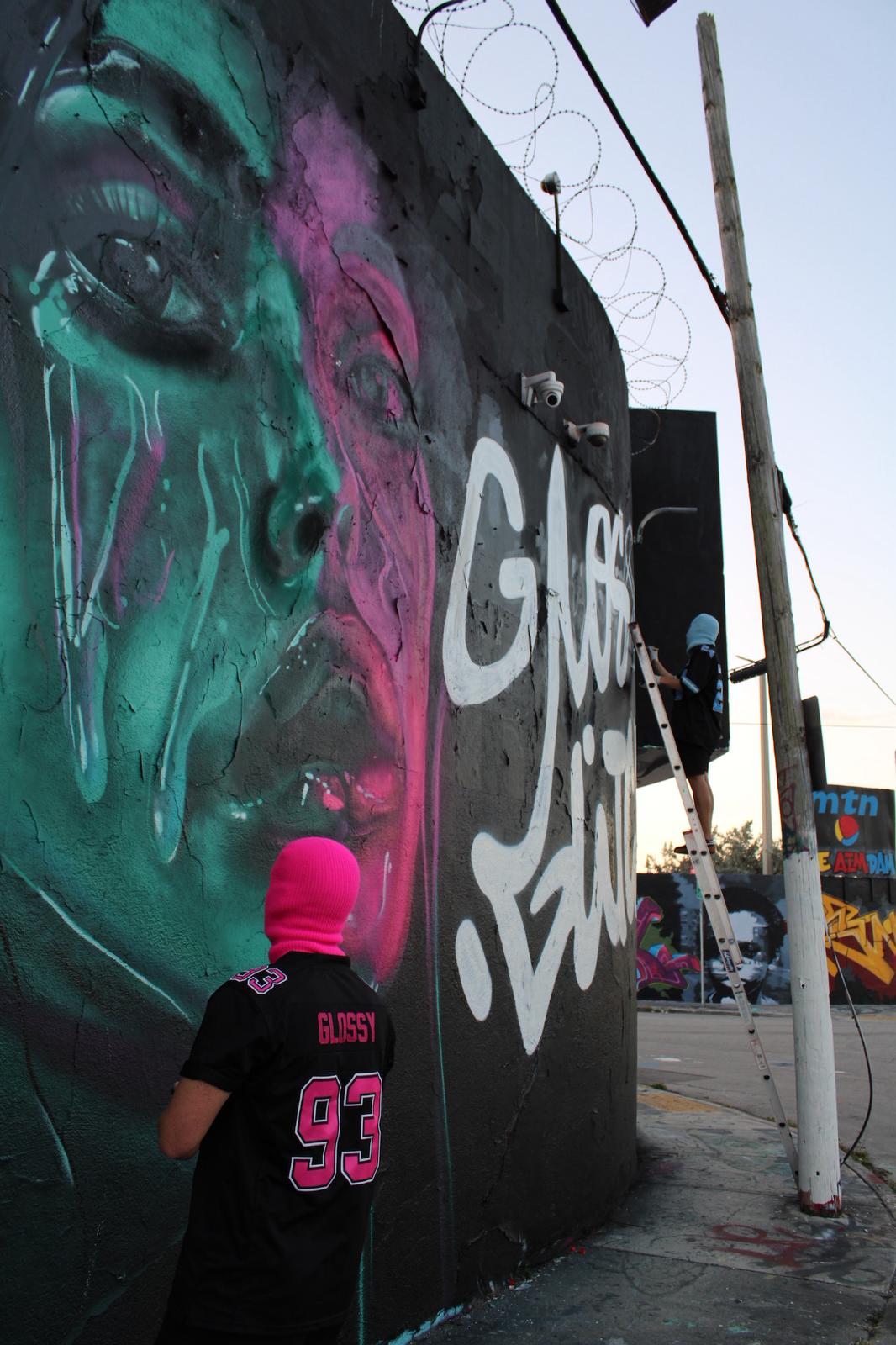
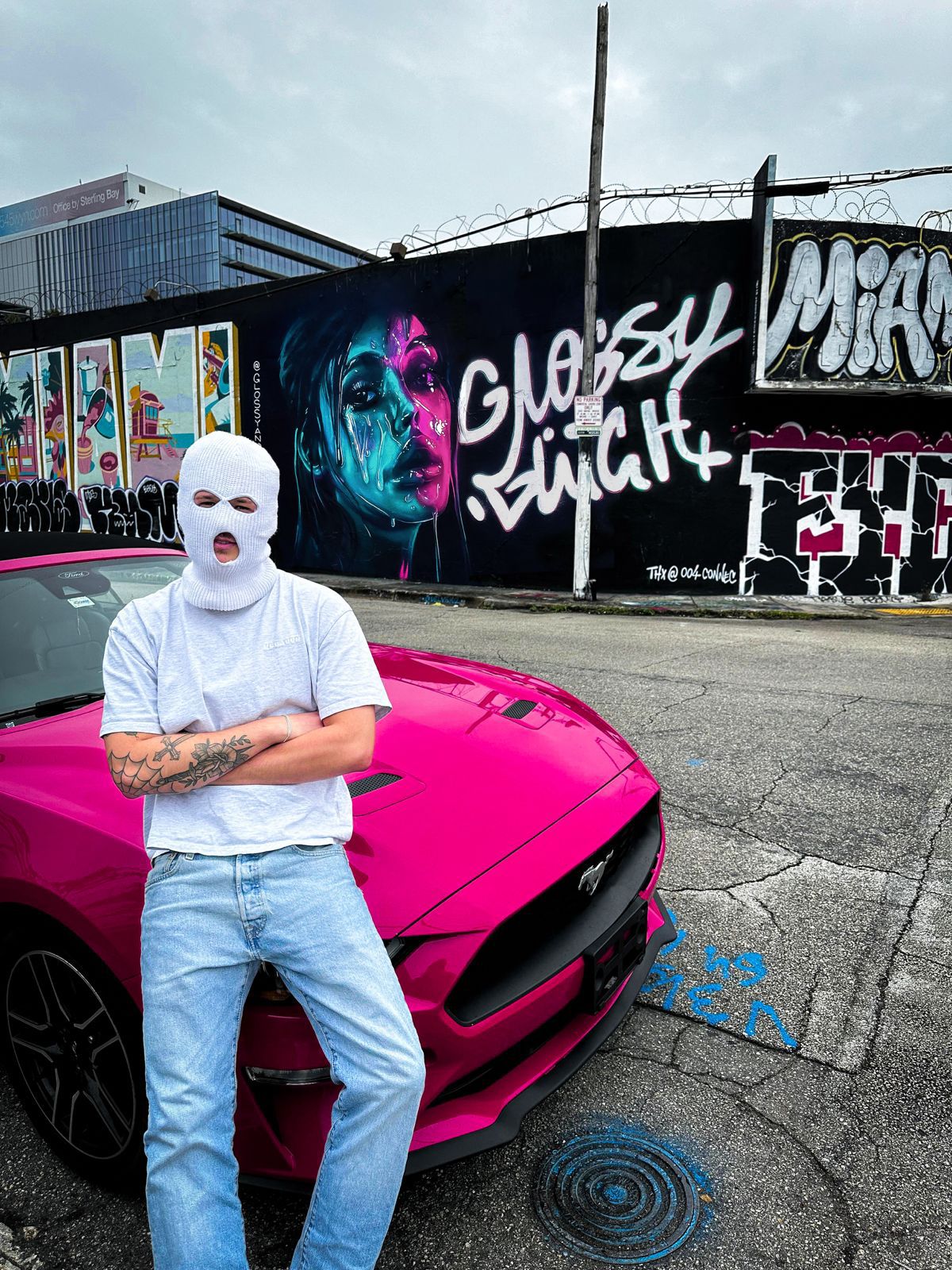
Glossy & Glitch creates artwork that doesn’t just decorate a space—it transforms the entire environment. Our style is bold, expressive and unmistakable, designed to attract attention and create memorable visual experiences.

  • Bold Visual Identity: Our signature Magenta/Cyan contrasts and expressive portrait styles create murals that stand out instantly.

  • Custom, Space-Adaptive Designs: Every facade is different — we tailor the artwork to the architecture, environment and purpose of the building.

  • Custom Durable, Weatherproof Materials: We use UV-resistant paints and finishes to ensure long-term color and quality.

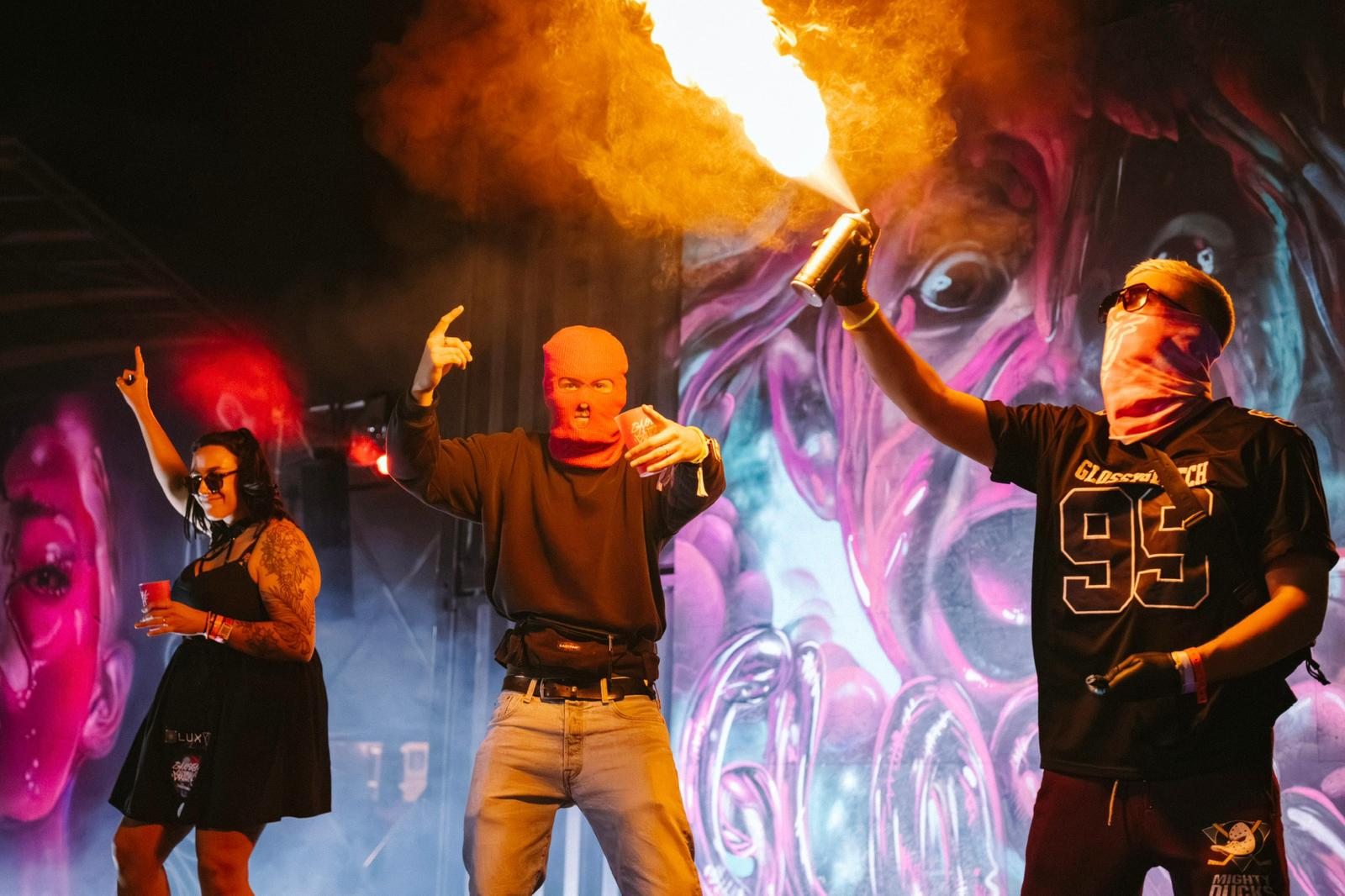
  • Strong Public Impact: Whether on a studio, festival stage or city landmark, our murals consistently attract attention and increase visibility.

    Learn more → Street Art & Mural Art

FAQ

FAQ

What is street art?

What is street art?

What is street art?

What is street art?

Is street art the same as graffiti?

Is street art the same as graffiti?

Is street art the same as graffiti?

Is street art the same as graffiti?

Can street art be used for branding?

Can street art be used for branding?

Can street art be used for branding?

Can street art be used for branding?

Is street art legal?

Is street art legal?

Is street art legal?

Is street art legal?

How long does a street art mural last?
How long does a street art mural last?

How long does a street art mural last?

How long does a street art mural last?

Let’s

Let’s

Let’s

CONNECT

CONNECT

CONNECT